


🌍 The Biggest Health Challenge Facing Our World Today
In today’s fast-changing world, health has become one of the greatest concerns for people across the globe. While medical science has advanced rapidly, the biggest health challenge we face today is not just diseases themselves, but the lifestyle we are living. 🌡️💭 From unhealthy eating habits to rising stress levels, the global health situation is becoming more serious every day.
🧠 The Silent Enemy: Unhealthy Lifestyle
One of the major reasons behind today’s health crisis is our sedentary lifestyle. Many people spend long hours sitting in front of screens — laptops, smartphones, and televisions. 📱💻 Physical activity has reduced drastically, especially in urban areas. As a result, problems like obesity, heart disease, and diabetes are increasing at an alarming rate. ⚠️
Fast food and processed food have replaced traditional home-cooked meals in many parts of the world. 🍔🍟 These foods are high in sugar, salt, and unhealthy fats. Over time, they weaken the body and make people more vulnerable to chronic illnesses.
💔 Rise of Chronic Diseases
Heart disease, diabetes, high blood pressure, and cancer are no longer rare conditions. They are now common health problems affecting millions of people worldwide. 🏥 These are called chronic diseases because they last for a long time and often require lifelong management.
What makes this more dangerous is that many people are unaware of their health condition until it becomes serious. Regular health check-ups are often ignored due to busy schedules, lack of awareness, or financial concerns. 🧾
😔 Mental Health: A Growing Global Crisis
Another critical issue facing the world today is mental health. Stress, anxiety, depression, and loneliness are affecting people of all age groups. 🌧️🧩 The pressure of work, academic competition, financial struggles, and social expectations has increased the emotional burden on individuals.
Social media, while connecting people, has also created comparison culture, unrealistic standards, and a constant need for validation. 📲❤️ This has silently impacted the mental well-being of millions, especially young people.
🦠 Lessons from Global Pandemics
The COVID-19 pandemic was a wake-up call for the entire world. 🌐🦠 It showed how unprepared health systems were and how quickly a virus can disrupt normal life. Hospitals were overwhelmed, millions lost their lives, and economies suffered greatly.
This pandemic taught us the importance of hygiene, immunity, and global cooperation. 🧼🤝 It made people realize that health is more valuable than wealth.
🌱 The Way Forward: Building a Healthier Future
Despite these challenges, there is hope. 🌞 The future can be healthier if individuals and governments take responsible actions.
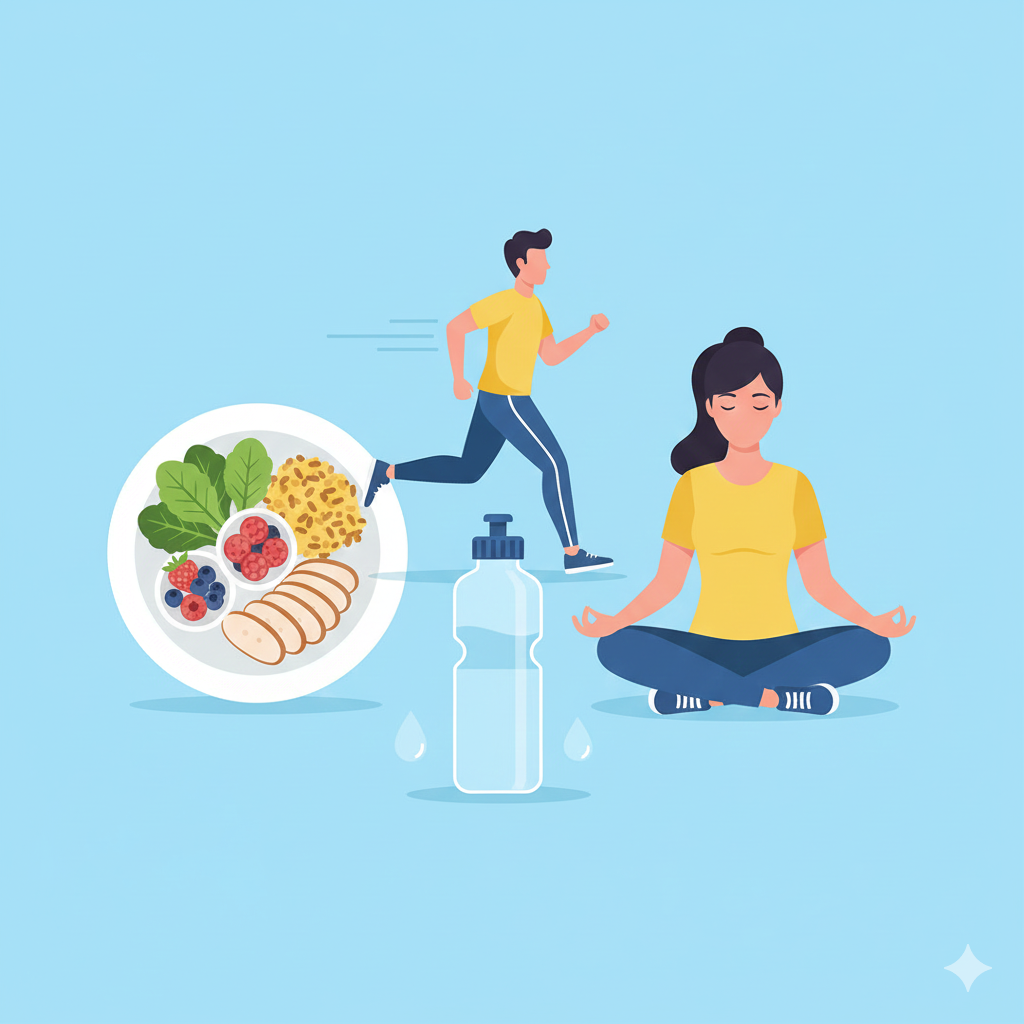
Small daily habits can create big changes:
- Eating balanced and nutritious food 🥗
- Doing regular physical exercise 🏃♂️
- Getting enough sleep 😴
- Managing stress through meditation and relaxation 🧘♀️
- Talking openly about mental health 🫂
Governments and organizations must also invest more in healthcare systems, public awareness, and preventive care. 🏥📢
✨ Final Thoughts
The biggest health problem in the world today is not just diseases, but the choices we make every day. Our lifestyle, mental well-being, and awareness determine the quality of our health. 🌈
If we start taking care of our bodies and minds today, we can build a healthier and happier world for tomorrow. 💚🌍
15 SEO-friendly FAQs with answers — “What Is the Biggest Health Problem in the World Today?”
1. What is considered the biggest health problem in the world today?
The biggest health problem globally is noncommunicable diseases (NCDs)—especially heart disease, diabetes, cancer, and respiratory diseases. These long-term conditions cause the majority of deaths worldwide and are increasing due to unhealthy lifestyles and aging populations.
2. Why are heart diseases seen as the number one global health threat?
Heart diseases are responsible for the highest number of deaths globally. Every year, nearly 20 million people die from cardiovascular diseases, making them the leading cause of death worldwide. (World Health Organization)
3. How do lifestyle choices contribute to global health problems?
Poor diet, lack of physical activity, smoking, and excessive alcohol consumption are major contributors to modern health issues. These habits increase the risk of obesity, diabetes, and heart disease.
4. Is obesity becoming a global epidemic?
Yes. Obesity has become one of the fastest-growing health crises in the world. Today, more than 2.5 billion adults are overweight, and hundreds of millions are obese, showing a dramatic increase over the last few decades. (World Health Organization)
5. How serious is diabetes as a global health concern?
Diabetes is a rapidly growing health problem. Around 589 million adults are currently living with diabetes, and the number is expected to rise significantly by 2050. (International Diabetes Federation)
6. Are infectious diseases still a major global threat?
Yes, but they are no longer the leading cause of death globally. While diseases like COVID-19, malaria, and tuberculosis still pose risks, chronic diseases now cause far more deaths overall.
7. What role does mental health play in global health today?
Mental health disorders such as depression and anxiety are among the leading causes of disability worldwide. They affect productivity, relationships, and overall quality of life, making mental health a growing public health concern.
8. How does air pollution impact global health?
Air pollution is one of the biggest environmental health risks. It contributes to respiratory diseases, heart disease, and millions of premature deaths every year.
9. Why are noncommunicable diseases increasing worldwide?
Urbanization, processed food consumption, sedentary lifestyles, and longer life expectancy are key reasons why chronic diseases are rising globally.
10. Which age groups are most affected by modern health problems?
While older adults are at higher risk for chronic diseases, younger people are increasingly affected due to rising obesity, stress, and poor lifestyle habits.
11. How do global health problems differ between developed and developing countries?
Developed countries struggle more with obesity and heart disease, while developing countries face a “double burden” of both infectious diseases and chronic illnesses.
12. What is the connection between poverty and health problems?
Poverty limits access to nutritious food, clean water, healthcare, and education. As a result, low-income populations often suffer from both malnutrition and chronic diseases.
13. Can most of the world’s biggest health problems be prevented?
Yes. Many major health issues—especially heart disease, diabetes, and certain cancers—are largely preventable through healthy lifestyle choices, early diagnosis, and proper medical care.
14. How is climate change affecting global health?
Climate change increases heatwaves, air pollution, and the spread of infectious diseases. It also contributes to food shortages and water scarcity, indirectly affecting human health.
15. What can individuals do to protect themselves from major health risks?
People can reduce their health risks by:
- Eating a balanced diet
- Exercising regularly
- Avoiding tobacco and alcohol
- Managing stress
- Getting regular health checkups


